 |
 |
 |
||
 |
 |
|
 |
||
 |
 |
 |
 |
||
 |
 |
 |
 |
 |
||||
|
||||


 |
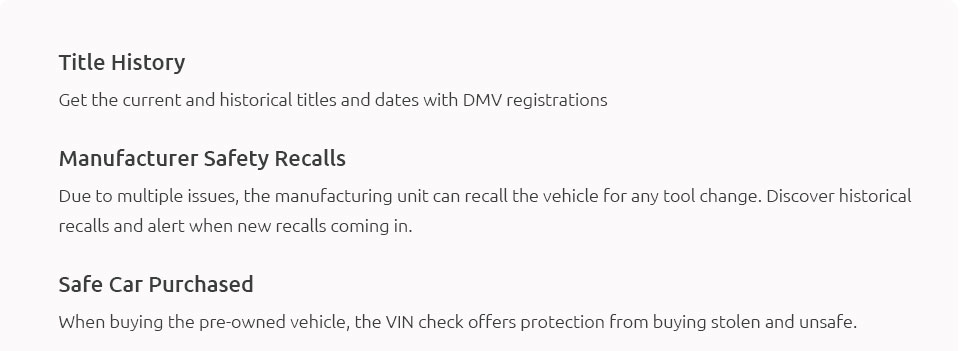
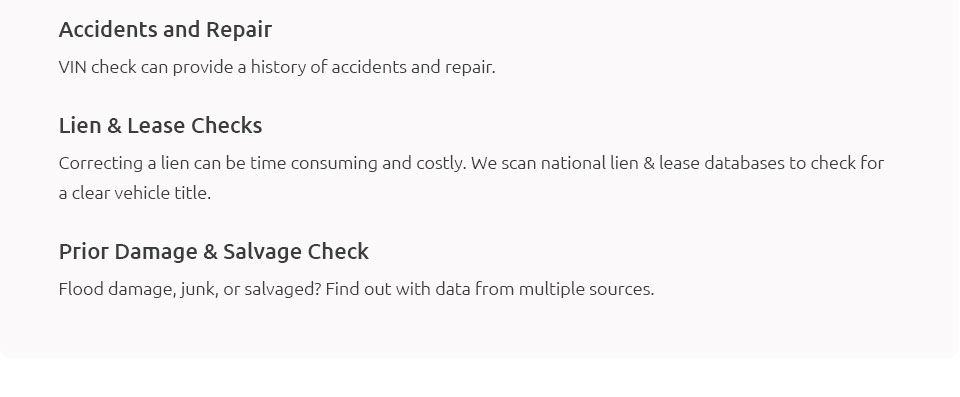
How to Check a Vehicle's VIN Number: A Comprehensive GuideIn today's world, where the purchase of a vehicle represents a significant investment, understanding every aspect of what you're buying is not merely recommended but imperative. One of the most powerful tools at your disposal is the Vehicle Identification Number, commonly known as the VIN. But how do you check a vehicle's VIN number effectively? Let's delve into this essential topic with a detailed exploration, enriched with real-world examples and practical advice. The VIN is a unique code that serves as a fingerprint for vehicles. It is a 17-character string of numbers and letters that can tell you a lot about a car. From the make, model, and year of manufacture to the country where it was built, the VIN can offer a treasure trove of information. But why should you care about checking it? Imagine you're considering buying a used car. The VIN can reveal past accidents, repairs, and even if it's been reported stolen. These are crucial insights that could sway your decision. Finding the VIN is your first step. Typically, the VIN can be located on the driver's side dashboard, visible through the windshield, or on the driver's side door frame. In some cases, it may also be found on the engine block or inside the hood. If you're struggling to locate it, the vehicle's registration documents or the insurance policy will also list the VIN. Once you've located the VIN, the next step is to check it. There are several ways to do this, each with its own merits. One common method is to use online databases. Websites such as Carfax, AutoCheck, and the National Motor Vehicle Title Information System (NMVTIS) provide comprehensive reports that compile data from various sources. These reports can detail everything from previous ownership records to accident histories. While some of these services come at a cost, they are often worth the investment, considering the peace of mind they can provide. For those who prefer a more traditional approach, visiting a local Department of Motor Vehicles (DMV) office is another viable option. The DMV can provide information on the vehicle's title status, any liens, and historical data. However, it's essential to note that the depth of information might vary from state to state.
In my experience, the value of a VIN check cannot be overstated. Consider the story of a friend who almost purchased a seemingly pristine vehicle, only to discover through a VIN check that it had been submerged in a flood. This revelation saved him not only from financial loss but from future headaches related to hidden damages. In conclusion, checking a vehicle's VIN number is a critical step in the car-buying process. It empowers you with knowledge that can protect you from potential pitfalls. Whether you're buying a car from a dealership, a private seller, or even online, make the VIN check an integral part of your due diligence. With the resources available today, there's no reason to venture into a purchase blindly. Armed with this information, you can proceed with confidence, ensuring that the vehicle you choose is truly the right fit for you. https://vincheck.info/
A VIN check is a process of verifying and retrieving information about a vehicle using its unique VIN number. It can provide details about the vehicle's history ... https://www.reddit.com/r/cars/comments/4fnq8l/what_information_can_be_obtained_from_a_vin_number/
If someone wants to find out your personal info, just following your vehicle home then looking up your name/address is way easier than trying to ... https://www.facebook.com/clarkhoward/videos/3-ways-to-get-a-free-vin-check-for-a-used-car/411120223400634/
The National Insurance Crime Bureau, vehiclehistory. com and iseecars.com are all sites where you can get a VIN report for free. The NICB VIN ...
|
